Surgical Oncology Procedures at NASC
NASC offers a comprehensive range of outpatient surgical oncology procedures, including:
- Lumpectomy – Breast-conserving tumor removal
- Mastectomy – Partial or total breast removal for cancer treatment
- Excisional Biopsy – Removal of suspicious lumps or lesions for diagnosis
- Skin Cancer Surgery – Removal of basal cell, squamous cell, or melanoma lesions
- Lymph Node Biopsy or Sentinel Node Mapping – For staging and treatment planning
- Reconstructive Procedures – Combined with oncologic surgery for restoration of form and function
Surgical Oncology
At Northtowns Ambulatory Surgery Center (NASC), we provide advanced outpatient surgical oncology services in a safe, comfortable, and patient-focused environment. Our goal is to provide precise, compassionate, and effective surgical treatment for patients with cancer or suspicious tumors while minimizing recovery time and supporting overall well-being.
Providers
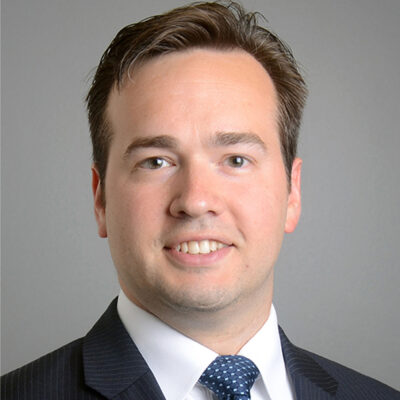
Joseph B. Kuechle, MD, PhD
Orthopaedic Oncology, Lower Extremity Joint Replacement & Reconstruction, Trauma Surgery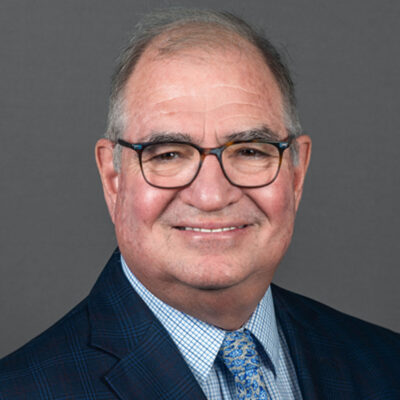
Steven D. Schwaitzberg MD, FACS
Bariatric Surgery, Endocrine Surgery, General Surgery, Surgical OncologyColorectal Surgery & Colonoscopy Services
Colonoscopy uses a flexible tube with a small camera to examine the inside of the rectum and colon. These procedures help detect and diagnose conditions such as colorectal cancer, polyps, inflammation, ulcers, and gastrointestinal disorders, including inflammatory bowel disease.
Your physician will recommend the appropriate screening or treatment approach based on your symptoms, medical history, and individual health needs. NASC is committed to providing expert colorectal care with a focus on safety, comfort, and efficient recovery.
Your physician will recommend the appropriate screening or treatment approach based on your symptoms, medical history, and individual health needs. NASC is committed to providing expert colorectal care with a focus on safety, comfort, and efficient recovery.
Frequently Asked Questions (FAQs)
Have questions about breast surgery? We’ve answered some of the most common questions to help you better understand your procedure, prepare for surgery, and know what to expect before, during, and after your care at Northtowns Ambulatory Surgery Center.
Blank
What is surgical oncology?
Surgical oncology is a specialized area of surgery focused on diagnosing, removing, and treating cancerous or suspicious tumors. Procedures may include tumor removal, biopsies, lymph node evaluation, and reconstructive procedures when needed.
What conditions can surgical oncology treat?
Surgical oncology may be used to treat:
- Breast cancer
- Skin cancer
- Suspicious or precancerous lesions
- Tumors requiring removal or evaluation
- Other cancers where surgery is part of the treatment plan
What is a biopsy?
A biopsy is a procedure that removes a small sample of tissue or an entire suspicious area for examination. The results help physicians determine whether cancer or another condition is present.
What is a lumpectomy?
A lumpectomy is a breast-conserving procedure that removes a tumor or abnormal breast tissue while preserving as much of the breast as possible.
What is a mastectomy?
A mastectomy is a surgical procedure that removes part or all of the breast tissue to treat or reduce the risk of breast cancer. Your surgeon will determine the most appropriate approach based on your diagnosis and treatment goals.
Are surgical oncology procedures performed on an outpatient basis?
Many surgical oncology procedures can be performed safely in an outpatient setting when appropriate. Your surgeon will determine the best location and approach based on your specific diagnosis and overall health.
What can I expect during recovery after surgical oncology procedures?
Recovery depends on the type of procedure performed. Your care team will provide personalized instructions for wound care, activity levels, medications, and follow-up appointments to support healing.
Will insurance cover surgical oncology procedures?
Many medically necessary cancer-related procedures are covered by insurance. Our team can help verify your benefits and answer questions regarding coverage before your procedure.
Why choose Northtowns Ambulatory Surgery Center for surgical oncology?
NASC provides specialized surgical oncology care in a modern outpatient setting focused on safety, precision, and compassionate patient care. Our experienced surgical team works closely with patients to develop personalized treatment plans that support effective outcomes while prioritizing comfort and recovery.